Eco-Heritage Villas vs Traditional Holiday Homes: Why Smart Investors Are Switching
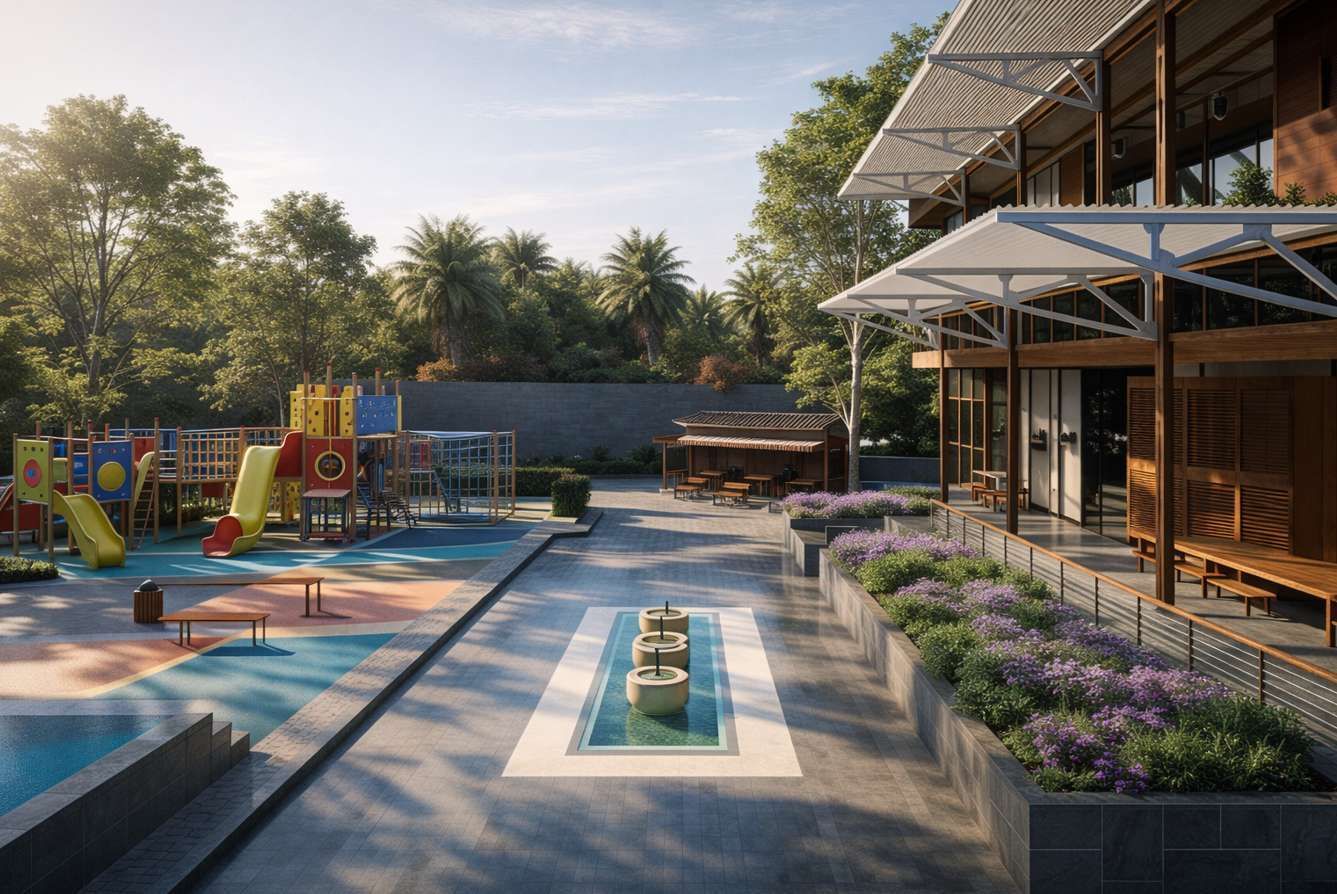
The luxury holiday home investment landscape in India is undergoing a fundamental shift. While traditional resort properties and apartments still dominate the market, a new category — eco-heritage villas — is consistently outperforming on both rental yields and capital appreciation. Here's why smart investors are making the switch.
What Are Eco-Heritage Properties?
Eco-heritage properties combine sustainable architecture with cultural authenticity and modern luxury. They're not rustic eco-lodges or basic farmhouses — they're premium villas that incorporate:
- Traditional design elements reinterpreted through contemporary architecture
- Sustainable building materials and techniques (natural stone, reclaimed wood)
- Passive cooling, rainwater harvesting, and solar power integration
- Organic landscaping and edible gardens
- Modern amenities — private pools, premium kitchens, high-speed WiFi, AC
At Anakatti Wilderness, this translates to luxury 3BHK and 4BHK villas with private pools set within a 23-acre riverside eco-village in the Western Ghats — blending Kerala heritage design with resort-grade comfort.
The Rental Premium: 20–30% Higher Rates
Data from leading booking platforms consistently shows that eco-heritage properties command 20–30% higher nightly rates compared to conventional holiday homes in the same region. Here's why:
1. The Experience Economy
Post-pandemic, affluent travellers don't just book a room — they seek experiences. A villa surrounded by organic farms, riverside trails, and campfire gathering spaces tells a story. It's "Instagrammable" in ways that a standard resort apartment never will be.
2. Multi-Generational Appeal
India's fastest-growing travel segment is multi-generational family holidays — grandparents, parents, and children travelling together. Eco-heritage villas with spacious layouts, private pools, and outdoor spaces are perfectly positioned for this demand. A 3BHK villa at Anakatti Wilderness accommodates 9-10 guests comfortably, making the per-person cost extremely competitive while the total booking value remains premium.
3. Wellness Tourism Growth
India's wellness tourism market is projected to reach $21 billion by 2027. Eco-heritage properties naturally align with wellness — clean air, river access, nature walks, yoga spaces, and organic food options. Guests willingly pay more for stays that feel restorative rather than merely recreational.
4. Corporate Retreat Demand
Companies increasingly book private villas for leadership retreats and team offsites. Eco-heritage properties with meeting-friendly common areas, strong WiFi, and nature surroundings are preferred over traditional hotel conference rooms.
Capital Appreciation: The Scarcity Factor
Beyond rental yields, eco-heritage properties benefit from a structural advantage: scarcity.
- Pristine natural locations near major cities are increasingly rare and regulated
- Environmental clearances become harder to obtain as development increases
- Land prices in emerging eco-destinations like Anaikatti appreciate faster than established markets
- Anaikatti is just 30 km from Coimbatore (a major Tier-2 city) — as the city expands, peripheral land values rise
Early investors in eco-heritage communities benefit from both rental income today and significant land appreciation over 5-10 years.
How JK Sereno Curates Eco-Heritage Investments
Not every eco-property is a good investment. At JK Sereno, our curation process is rigorous:
- Land title verification — clear ownership, no disputes, proper government approvals
- Environmental assessment — water security, flood risk, ecological sensitivity
- Infrastructure audit — road access, electricity, water supply, internet connectivity
- Rental demand testing — market analysis of comparable properties, booking platform data
- Management partner evaluation — hospitality team track record, guest reviews, financial transparency
Only properties that pass all five criteria receive the JK Sereno stamp — ensuring our investors get both premium returns and complete peace of mind.
Eco-Heritage vs Traditional: Side-by-Side Comparison
- Nightly Rental Rate: Eco-heritage ₹15K–25K vs Traditional ₹10K–18K
- Occupancy Rate: Eco-heritage 60–70% vs Traditional 45–55%
- Guest Willingness to Return: Eco-heritage 65%+ vs Traditional 35%
- Annual Appreciation: Eco-heritage 10–15% vs Traditional 5–8%
- Management Complexity: Both similar with professional management
Getting Started with Eco-Heritage Investing
If you're considering your first eco-heritage investment, Anakatti Wilderness offers an ideal entry point with three villa types starting at ₹1.41 Cr. Every villa comes with:
- Private pool and outdoor entertainment spaces
- Professional hospitality management for hands-free income
- 50% owner discount on personal stays
- JK Sereno founder-level support throughout the journey
Speak with our founders to explore how eco-heritage investing fits your portfolio, or browse all curated properties.
Frequently Asked Questions
Are eco-heritage villas harder to maintain?
No. With professional hospitality management (included at Anakatti Wilderness), maintenance is fully handled. Sustainable materials actually reduce long-term maintenance costs compared to conventional construction.
Do eco-heritage properties have modern amenities?
Absolutely. Eco-heritage ≠ basic. Villas at Anakatti Wilderness include private pools, AC, high-speed WiFi, fully equipped kitchens, LED TVs, rain showers, and premium furnishings.
What if the eco-tourism trend fades?
Eco-heritage investing isn't a trend — it's driven by structural shifts in consumer preference, environmental regulation, and land scarcity. These fundamentals only strengthen over time.